Book a demo
Lead Scoring Models for Hotels

Discover how Lead Scoring Models for Hotels help increase bookings, prioritize high-value leads, and boost revenue.

Lead Scoring Models for Hotels: Turning Guest Interest into Real Revenue


Lead Scoring Models for Hotels are quickly becoming one of the most valuable tools for modern hospitality teams. In fact, lead scoring models for hotels are transforming the way properties understand guest intent, prioritize sales opportunities, and create memorable stays. Imagine being able to read a guest’s digital body language: how they browse, what they click, how often they return, and turning those signals into actionable insights. That is the power of lead scoring, and for hotels, it is truly a game-changer.

What Is Lead Scoring for Hotels?

Lead scoring for hotels is a strategic method of evaluating potential guests based on how likely they are to book. Every interaction such as website visits, email signups, clicks on offers, RFP submissions, and loyalty status carries a point value. The more engaged the lead, the higher the score.

In the hotel world, leads come from many places such as wedding planners researching venues, corporate travel managers comparing meeting spaces, families planning vacations, or individual guests browsing offers. Lead scoring helps hotels understand who is just looking and who is ready to buy.

In short, lead scoring models for hotels make it easier to focus sales and marketing energy where it matters most on leads with the highest potential.
Why Lead Scoring Matters

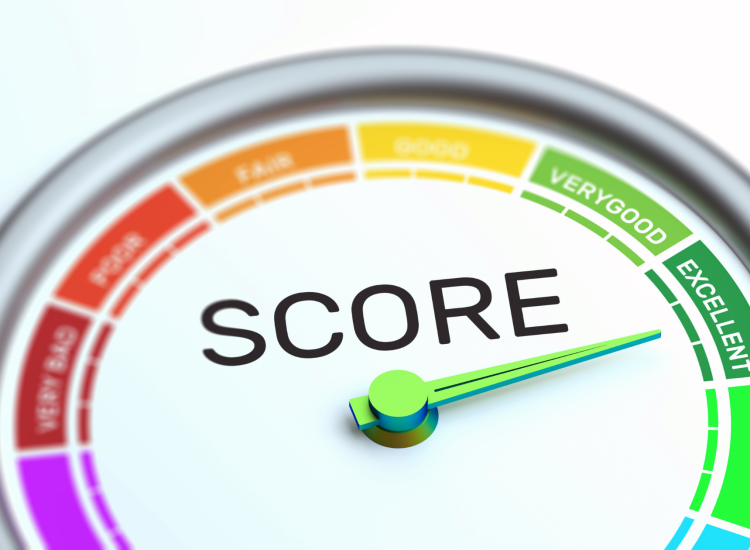
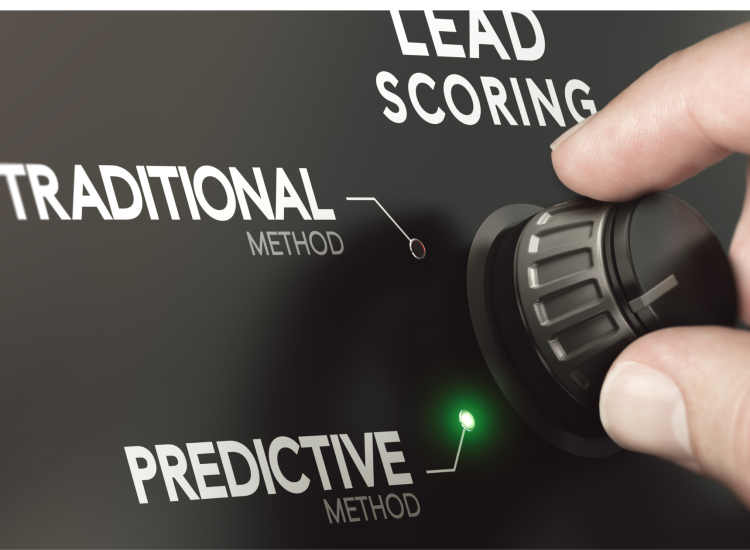
dailypoint Scoring Models for hotels

Hotels today manage enormous volumes of digital interactions. Without a system to prioritize, valuable opportunities slip away. Lead scoring models for hotels matter because they:

Increase booking conversions by focusing attention on leads closer to decision-making
Improve productivity by reducing time spent on cold inquiries
Enable personalized marketing thanks to clearer intent signals
Support revenue management through smarter segmentation and forecasting
Reduce acquisition cost by nurturing high-value leads instead of chasing random clicks

Lead Scoring Basics

At its core, lead scoring relies on assigning numeric values to guest behaviors or characteristics. There are two main categories.

Behavioral scoring

This captures guest actions, such as:

  • Viewing room types or event spaces
  • Downloading brochures
  • Clicking on promotional emails
  • Revisiting the booking engine
  • Engaging with loyalty offers

Demographic scoring

This evaluates who the lead is, such as:

  • Corporate travel planner vs. leisure guest
  • Wedding organizer vs. individual traveler
  • Company size
  • Geographic market

When combined, these elements help create lead scoring models for hotels that predict the likelihood of conversion with impressive accuracy.

Building Effective Lead Scoring Models for Hotels

advanced lead scoring models

More advanced lead scoring models for hotels integrate data from multiple systems including CRM, PMS, website analytics, email platforms, loyalty programs, and reputation tools. High-performing hotels tend to:

  • Continuously monitor behavior patterns
  • Score multi-channel engagement
  • Predict future revenue value
  • Use AI to refine scoring accuracy
  • Align sales, marketing, and revenue teams

When powered by the right technology, lead scoring becomes an intelligent engine that guides decision-making across the entire guest journey.

Conclusion

Lead scoring models for hotels are no longer optional; they are essential for staying competitive in a digital-first world. By understanding guest intent and focusing on the right opportunities at the right moment, hotels can dramatically improve results. With the support of intelligent tools like dailypoint, any property can turn data into action and interest into bookings.